Dr. Chitta Sarker: 52 Years in Medicine
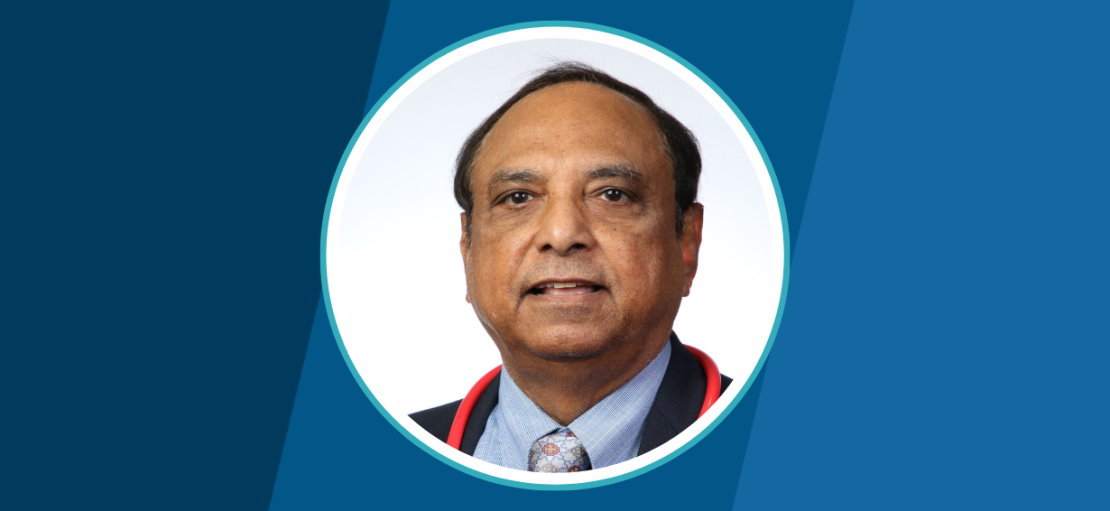
Chitta Sarker, MD, is ABIM Board Certified in Hematology, Medical Oncology and Internal Medicine. He has been practicing for over 52 years and is currently based in Charleston, West Virginia. In recognition of 90 years of serving the profession, ABIM invited Dr. Sarker to talk about his career journey, how medicine has changed in the half-century he has been practicing medicine and why he continues to maintain his ABIM certifications.
Can you talk about your career journey and why you chose this path?
I’m a foreign medical graduate. After finishing medical school, I came to New York and started as an intern at Misericordia Medical Center. At that time, internships were often rotating; you’d spend time in medicine, surgery and OB-GYN. I didn’t initially know what I wanted to specialize in. But during that rotation, I noticed that surgical and OB-GYN residents had extremely demanding schedules, often on call every other night. Internal medicine was still demanding, but comparatively less intense at night, and I felt it would provide a better work/life balance for me.
More importantly, I found internal medicine intellectually engaging. So, I chose that path and completed a three-year residency at Misericordia Hospital and the Bronx VA, which is affiliated with Mount Sinai School of Medicine. Before finishing residency, I became eligible for the board exam and passed it. After that, I moved to Philadelphia for fellowship training in hematology and medical oncology. At the time, it was a combined two-year program, and I was able to become certified in both specialties.
Why hematology and internal medicine?
What drew me to internal medicine was the diagnostic challenge. Patients didn’t come in with clear answers, they came with symptoms like weakness, weight loss or pain. It was up to us to figure out what the problem or diagnosis was, often with limited testing tools. There was no MRI and only limited ability to get a CT scan. Molecular diagnostic tests were in infancy.
Hematology appealed to me even more because it allowed direct investigation. You could examine blood samples yourself and start finding the answers right away. That hands-on diagnostic process was incredibly rewarding.
How have you seen medicine change over the years?
The changes have been dramatic. Early on, internal medicine was broad and diagnostic-focused. Over time, care became more specialized and patients were divided into categories like cardiology, endocrinology, oncology and so on. Hematology and oncology, in particular, have advanced tremendously. Today we have genetic and molecular testing that we couldn’t even imagine when I started.
But medicine has also become more business-oriented. Costs have increased, and systems like HMOs were introduced to manage spending. Eventually, hospitals and corporations began employing physicians, and private practice became harder to sustain.
Now, many internists work as hospitalists or within large systems. The independent practice model we started with has largely disappeared.