Caring for Those Who Served
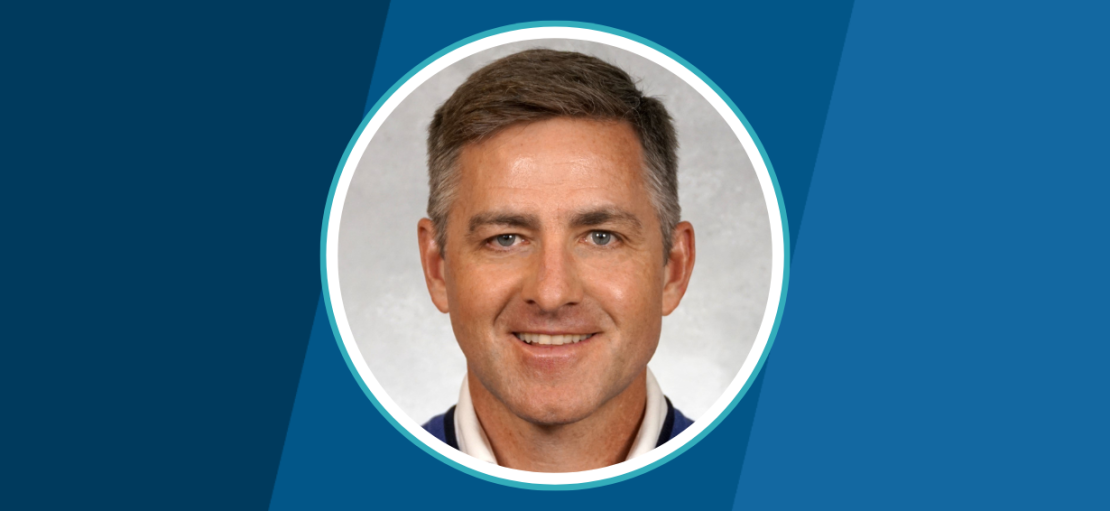
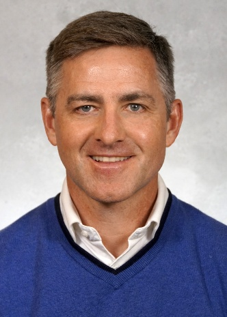
William Weppner, MD, MPH, FACP, reflects on nearly two decades of caring for veterans and what it means to put medical knowledge into practice for his patients.
A veteran and his wife have been patients of Dr. William Weppner since he was a resident. They live about two hours north of Boise, Idaho, on a winding road that gets busy in the summer and is difficult to navigate in the snowy winter.
“They faithfully come down to see me every three to six months,” he said.
Dr. Weppner, an ABIM Certified internist, primary care physician and health services researcher at the Boise VA Medical Center and Associate Professor of Medicine at the University of Washington, knows what that distance means for the veteran patients he cares for.
He grew up in Idaho, which ranks among the states with the fewest physicians per capita, and many veterans live far from the nearest VA facility.
“You can drive 12 hours to cross the state, north to south,” he said. “On the East Coast, you would probably go through three or four states and would go by a lot of hospitals.”
Bringing care closer to those veterans has shaped much of his career. When the VA expanded a program connecting veterans with poorly controlled diabetes to nurses and pharmacists through telehealth, he led its implementation at the Boise VA and studied how many miles veterans avoided by getting that care without needing to travel to the clinic. His research found that the program spared participating veterans more than 200,000 miles of driving and about $20,000 in gas costs.
That approach made a difference for the couple from north of Boise. For a long time, the veteran’s diabetes remained poorly controlled despite good support at home and the right medications. So Dr. Weppner brought in more members of his care team at the VA without adding more trips down that road. He connected his patient with a clinical pharmacist who checks in through telehealth every few weeks, along with a continuous glucose monitor that tracks his blood sugar from home, allowing the care team to adjust his insulin as needed. The team also supports the patient’s wife, who helps him manage his care. Today, his diabetes is under good control.
“When they came in, they gave me a hug and offered their appreciation for the great care that the VA was providing, both in person and virtually,” Dr. Weppner said. “I thought that was a heartwarming example for me. I really like seeing patients like that.”
His work extends well beyond diabetes to focus on other conditions more common among veterans. For example, veterans have a higher prevalence of chronic obstructive pulmonary disease than civilians and are more than twice as likely as non-veterans to develop obstructive sleep apnea. Dr. Weppner is participating in a multisite VA trial that brings pulmonary rehabilitation services to these patients by providing them with an iPad and a stationary exercise bike so they can complete rehab from home.
“It’s not about whether telehealth is better or worse,” he said. “It’s about what proportion of telehealth can allow patients to access care in a way that suits their needs and still maintain the quality of care that we would expect.”
Telehealth hasn’t replaced the in-person visits he values. “In my experience, it’s been something that’s augmented my relationships with patients,” he said.
For Dr. Weppner, providing that kind of care depends on more than knowing the facts—something he connects to continuing board certification.
“It’s less about memorization, because there’s so much information and so many ways to access it online. I think it’s more about being able to synthesize and apply it to patients during the visit,” he said. “Taking questions regularly through the Longitudinal Knowledge Assessment has been a great way to know I’m keeping my knowledge current and I know what areas I may need to brush up on.”
Dr. Weppner brings the perspective of lifelong learning to his work with residents and medical students, too. He wants future physicians to see not only how different approaches to care can support patient health, but what they can mean for the unique health conditions veterans face.
Seeing “the satisfied, appreciative patients,” he said, helps learners recognize that the work is worth the time and effort.
It’s a reminder he still gets himself, every three to six months, when a familiar couple makes the drive down to his clinic.
ABIM honors all who have served, including physicians who are veterans, and the physicians and clinical teams dedicated to caring for them.