How One Internist Helps Rural Patients Overcome Barriers to Care
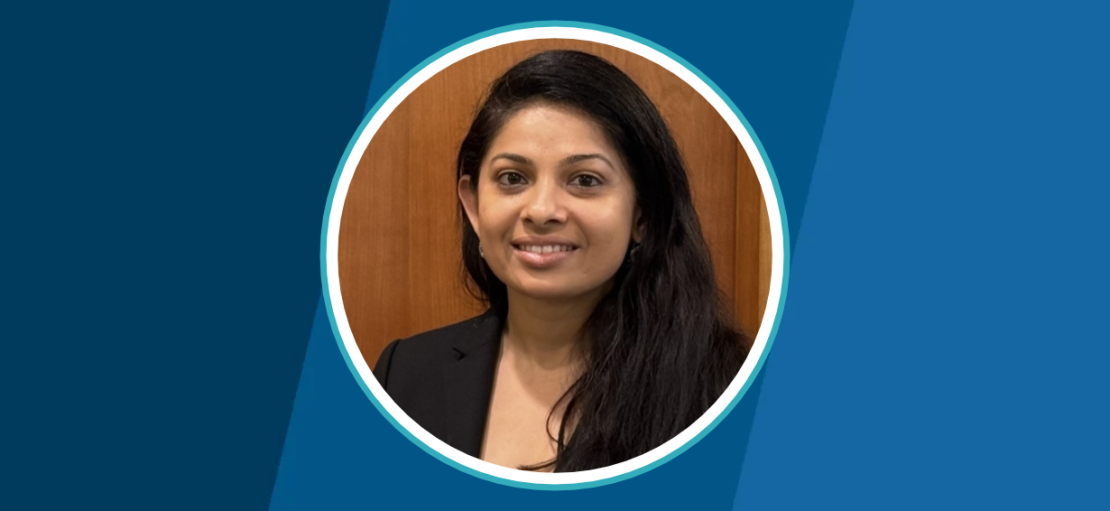
Ria D’Souza, MD, an ABIM Certified internist, reflects on how lifelong learning, care coordination and community support can help rural patients access the care they need and improve their health.
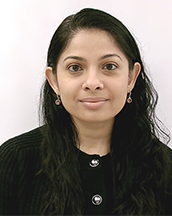
For Dr. D’Souza, high-quality patient care extends far beyond the hospital walls. Through a decade of experience as a hospitalist at Community Regional Medical Center in Fresno, California, she has witnessed firsthand the challenges faced by patients in rural communities throughout the Central Valley. As an adjunct professor of medicine at California Health Sciences University, she is equally committed to advancing medical education and fostering a culture of lifelong learning.
Her clinical experience has reinforced an important lesson: successful recovery depends not only on treating an acute illness but also on ensuring that patients have the resources, support and continuity of care they need after leaving the hospital.
“Many patients here have difficulty establishing primary care, obtaining specialist appointments and traveling long distances to access health care,” Dr. D’Souza said.
One patient, an agricultural worker supporting a family, left a lasting impression on her. After delaying medical attention for several months, he arrived at the hospital with advanced heart failure. His situation highlighted the challenges many patients face when financial, geographic and health care access barriers prevent them from seeking timely treatment.
Coordinating Care Beyond the Hospital
Although Dr. D’Souza and the hospital team successfully stabilized the patient, they recognized that his recovery would depend on establishing a sustainable plan for care after discharge.
Working closely with case managers, she helped coordinate a three-month supply of medications, establish care with a primary care physician and arrange cardiology follow-up appointments that accommodated the patient’s work schedule. The team also helped secure transportation and connect him with additional community resources to minimize barriers to ongoing treatment.
Several months later, Dr. D’Souza learned that the patient was doing well under the care of a primary care physician and had not required another hospitalization.
“That was quite rewarding because we had managed to set up somebody long term, prevent readmission and help them regain their health,” she said. “It reminded me that high-quality care extends beyond hospital walls.”
Dr. D’Souza notes that this experience exemplifies the importance of looking beyond the immediate medical problem and addressing the circumstances that influence a patient’s ability to recover and remain healthy.
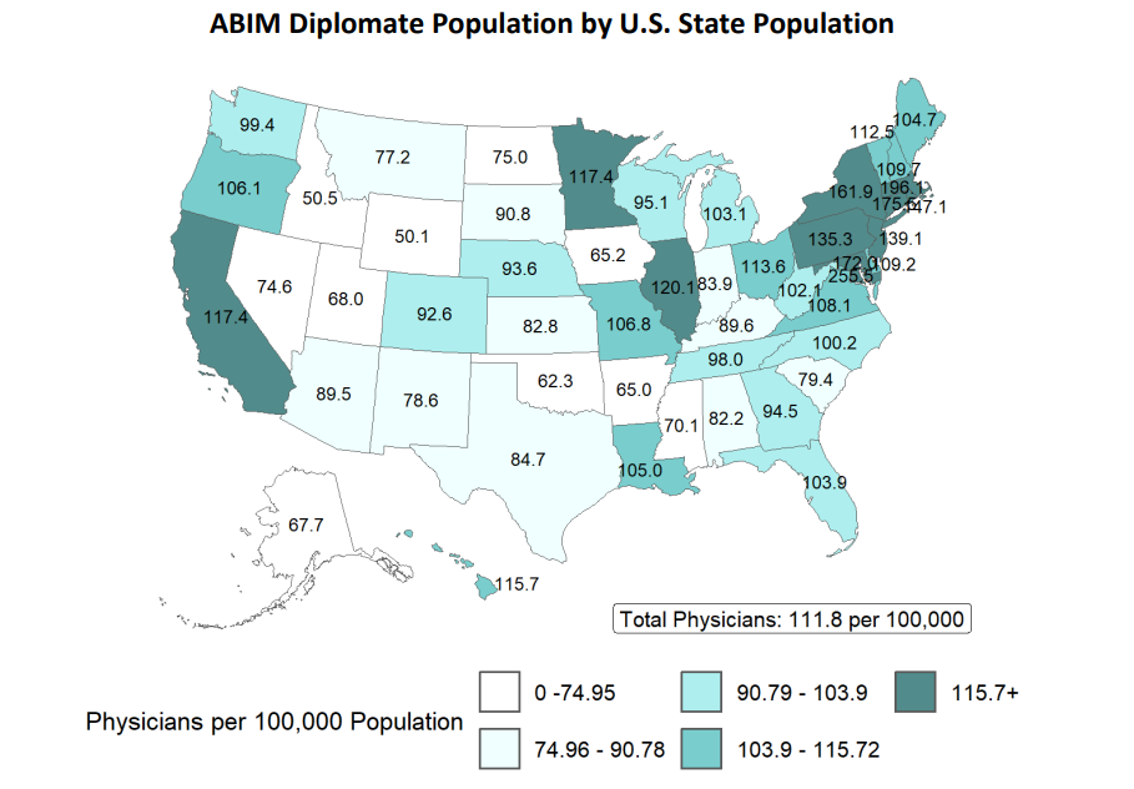
Although access to health care in the Central Valley has improved over the past decade, significant disparities remain. Some patients continue to travel several hours, sometimes as far as San Francisco, to obtain specialty care.
These challenges reflect a broader national concern. According to a 2025 report from the Primary Care Collaborative and the Robert Graham Center, rural communities have approximately 15% fewer primary care clinicians per capita than urban communities. A separate 2025 report from the University of Washington’s WWAMI Rural Health Research Center highlighted substantial disparities in specialist availability, with rural communities having considerably fewer cardiologists, neurologists and oncologists per capita than their urban counterparts.
Why Lifelong Learning Matters
For Dr. D’Souza, maintaining clinical excellence requires a commitment to continuous learning and professional accountability. She views ABIM certification not simply as a professional credential but as an ongoing responsibility to remain current with evolving medical evidence, clinical guidelines and advances in patient care.
After achieving board certification in 2016, she elected to participate in ABIM’s Longitudinal Knowledge Assessment (LKA®) in January 2026, when she became due for her next assessment. The LKA allows her to engage in ongoing assessment throughout the year while integrating medical learning into her clinical practice.
“Board certification is a national standard for professionalism, accountability and public trust,” she said. “When patients see me, they know they are being cared for by someone who has demonstrated that they have met the same standards as their peers across the country. Patients deserve that confidence, knowing that no matter where they live, their physician is committed to keeping their knowledge and clinical expertise current.”
She believes this commitment is particularly important when caring for patients in rural and underserved communities, where access to specialists and other health care resources may be limited. Physicians must often navigate complex medical situations while finding practical solutions within the resources available to their patients.
“When you don’t have access to resources, you have to get creative,” she said. “It forces you to consider a different approach to provide the same quality of care to your patients.”