


Geriatric Medicine Board Meeting Summary | Fall 2025
The Geriatric Medicine Board held its fall meeting on October 21, 2025. A representative from the American Geriatrics Society (AGS) joined for a portion of the meeting*.
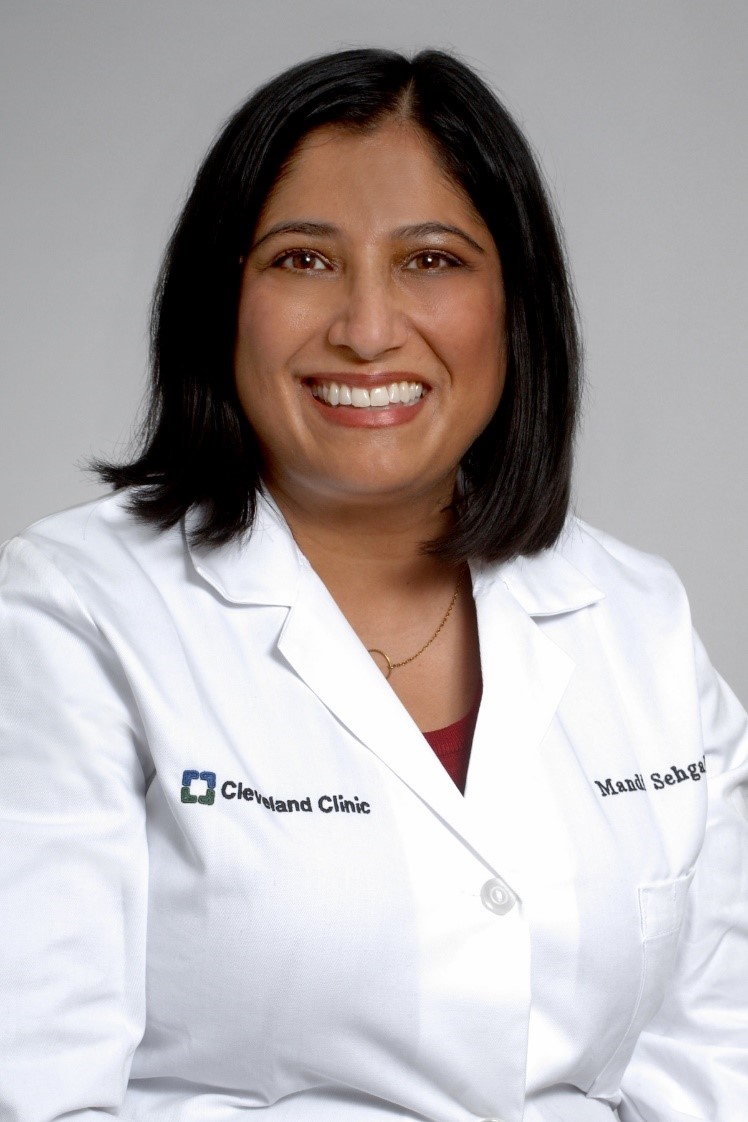
Geriatric Medicine is a cosponsored specialty certification with the American Board of Family Medicine (ABFM). Physicians who obtain ABFM Board Certification in Geriatric Medicine may serve on the Specialty Board. Currently, ABFM is represented by Mandi Sehgal, MD, Chair of the Geriatric Medicine Board, who previously served as a member.
The following is a summary of the fall meeting. Visit the ABIM Blog for reports of prior meetings.
ABIM Leadership Update*
Furman S. McDonald, MD, MPH, President and CEO of ABIM and the ABIM Foundation, discussed progress on ABIM’s strategic initiatives, including:
- Enhancements to the Longitudinal Knowledge Assessment (LKA®), such as the possibility of expanded eligibility, developing focused versions in some specialties that will launch in 2026, and exploring additional focused versions in other specialties for the future
- Advancing and expanding ABIM’s research strategy with the appointment of Eric J. Warm, MD, MACP, as the inaugural Vice President of Research Strategy
- Supporting early career physicians and international medical graduates (IMGs) with the needs-based certification exam fee assistance program and the competency-based medical education (CBME) pilot for IMGs
- Recognizing ABIM Board Certified physicians at key milestones, such as attaining more than 30 years of certification, and an end-of-year wrap-up for LKA participants
- Advancing innovation in assessment through new technology and society collaboration
There was a discussion centered on the CBME pilot and how “exceptionally qualified” is defined and determined. ABIM uses longstanding criteria established by the Accreditation Council for Graduate Medical Education (ACGME) standard program requirements which is how programs and institutions make the determination that a fellowship candidate is exceptionally qualified, linking the pilot to accredited training.
When asked whether ABIM plans to expand the fee assistance pilot program to fellows, Dr. McDonald said he hopes ABIM can do so after better understanding the impact of the current pilot for first-time takers of the Internal Medicine Certification Exam. He also noted that ABIM waives annual Maintenance of Certification (MOC) fees for fellows.
Diplomate Professional Profile*
The Geriatric Medicine Board reviewed the status of ABIM’s Diplomate Professional Profile (DPP), a survey that ABIM Board Certified physicians are asked to complete every five years via the Physician Portal. Data gathered from the DPP will inform exam blueprint updates and help ABIM understand what physicians are doing in practice and practice trends.
ABIM staff asked for suggestions from the Specialty Board and society guests about modifications to the DPP that would add to the value of the information collected through completion of the survey. The group discussed how other Member Boards of the American Board of Medical Specialties collect data about physician practices. ABFM collects similar data and it may benefit both boards to compare their data. In the questions that ask about practice setting, members suggested adding direct primary care models across all specialties and memory care for geriatric medicine. One member also suggested that geriatric medicine does have “procedural competencies,” such as testing grip strength and cognitive skills. Lorna Lynn, MD, Vice President for Medical Education Research at ABIM, said ABIM could begin collecting data on these experiences without imposing a fellowship training requirement.
Health Equity Update*
ABIM remains firmly committed to advancing health equity, as reflected in a joint statement by the ABIM Board of Directors and the ABIM Foundation Board of Trustees dated June 2025. ABIM continues to work in the areas outlined in the Equity Statement: developing health equity content for assessments, ensuring that assessments are fair and conducting research to advance assessment strategies. ABIM also maintains collaborations with medical specialty societies working to advance health equity. During this session, staff highlighted both the progress achieved and the challenges that remain in ABIM’s ongoing health equity efforts.
Geriatrics Competencies for Internal Medicine and Family Medicine Residents*
Mandi Sehgal, MD, Chair of the Geriatric Medicine Board, and Andrea Schwartz, MD, MPH, AGSF, Assistant Professor of Medicine at Harvard Medical School, presented a revised proposal of trainee competencies in geriatric medicine for residents internal medicine or family medicine training. A working group of the Association of Directors of Geriatric Academic Medicine (ADGAP) developed the guidelines, building on the 2010 guidelines to align with advances in evidence-based medicine and to provide a unified framework for caring for an aging population. Specialty Board member Jessica L. Kalender-Rich, MD, commended the working group, noting that the 5M framework underlying the competencies is being embraced by institutions and serves as the building blocks of a new structural quality measure by the Centers for Medicare & Medicaid Services. (The 5M framework is a patient-centered framework for older adult care, focusing on Mobility, Mind, Medications, Multicomplexity and What Matters Most to the patient.)
Content Related to Geriatric Medicine Across ABIM Assessments*
Staff summarized early results from ongoing research on the Internal Medicine Certification Examination content related to the care of older adults. Members of the Specialty Board noted that test questions written by geriatricians would likely differ qualitatively and that, with the LKA and other assessments, there may be additional opportunities to integrate geriatric medicine content across disciplines.
Nutrition in Assessment*
The Specialty Board discussed the role of nutrition in patient care and assessment, emphasizing the importance of basing decisions to expand nutrition content in ABIM exams on sound scientific principles. Currently, the nutritional content in assessments varies across specialties.
Nutrition is important in addressing multiple aspects of geriatric medicine care, such as bone health/frailty, assuring adequate protein intake, sarcopenia prevention, oral health and swallowing difficulties. The group noted that access to nutritious food is a health equity matter, and that physician practices need more resources to offer patients, including capacity to refer patients to nutritionists and registered dieticians.
Society guests departed at this point in the meeting.
ABIM Approved Quality Improvement (AQI) Program
The AQI Program is the process by which ABIM recognizes externally developed quality improvement activities that physicians undertake in practice. It also allows physicians to earn up to 20 MOC points for meaningfully participating in activities that support their local improvement priorities. June M. McKoy, MD, MPH, JD, MBA, LLM (Hons), reviewed the following proposal and recommended it for approval:
- Oral Health Activities in Primary Care: This project is part of an oral health program that enrolls older adult patients (55+) and their primary care providers to increase provider confidence in discussing oral health during primary care visits and increase dental attendance among low-income older adults.
After a brief discussion, the Geriatric Medicine Board voted to approve the AQI proposal for MOC credit. Any ABIM Board Certified physician who is a participant will be eligible to receive credit for this activity.
ABIM welcomes proposals from sponsors, including medical specialty societies, hospitals or hospital departments, medical groups, clinics, or other health-related organizations, which wish to sponsor a single activity. Organizations with a quality improvement activity to submit to ABIM for MOC credit recognition are encouraged to take the following steps:
- Download the ABIM AQI Program Guide (PDF).
- Download and complete the AQI Application (PDF).
- Email completed applications to mocprograms@abim.org.
Standard-Setting for the Geriatric Medicine LKA
ABIM Psychometrics staff presented the results of the standard-setting process for the Geriatric Medicine LKA. After reviewing the methodology, including the use of expert panels and psychometric modeling, and how the recommended passing score was derived, the Specialty Board approved the adoption of a passing score for the Geriatric Medicine LKA.
Membership Recommendation to Council
The Geriatric Medicine Board discussed the candidates who applied for the open positions for a physician and a public member with an interprofessional background, for terms beginning July 1, 2026. Members were encouraged to consider the feedback from the candidate interviews and to review the current and future composition of the Specialty Board. The Specialty Board voted to recommend two candidates for the public member position to the ABIM Council, which makes the final decision. Recommendations for the open physician seat are slated for a future meeting. ABIM expects to announce final appointees after July 1, 2026.
Learn More
Subscribe to the ABIM Blog to stay on top of the latest news.
Get Involved
Apply to openings on ABIM Governance and the Item-Writing Task Forces and be part of shaping the future of ABIM’s assessments. Join the Community Insights Network to share feedback with ABIM through focus groups, surveys, user testing and more as we develop and refine our programs together.
*Indicates that society representatives were present for discussion of this agenda topic.


