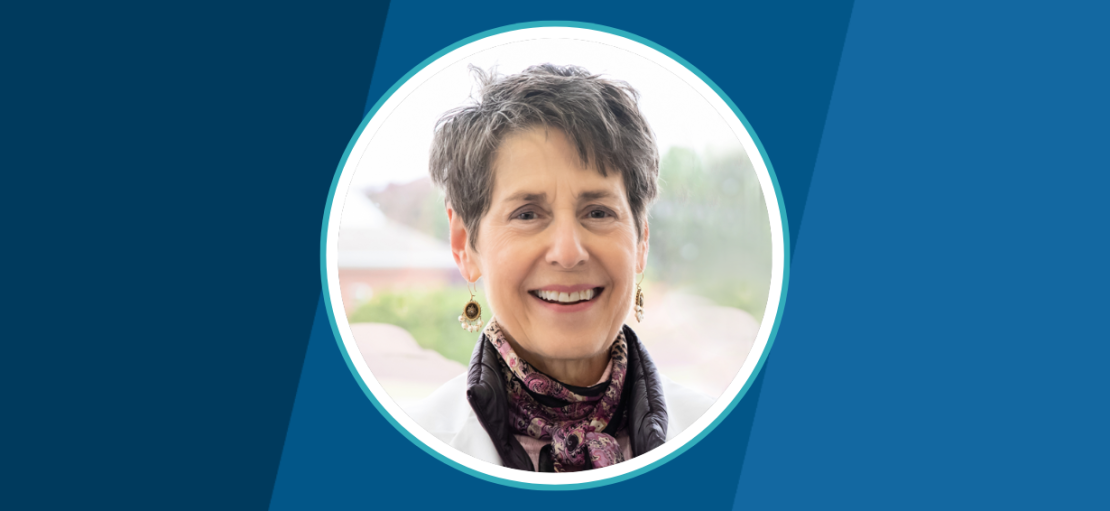
52 Years in Medicine: Reflections from a Trailblazing Woman Physician
Georgia Newman, MD, FACP, received her medical degree from Harvard Medical School in 1971 and became ABIM Board Certified in Internal Medicine in 1974 and Geriatric Medicine in 1988. She practices geriatric medicine in Oberlin, Ohio, and continues to participate in Maintenance of Certification (MOC) through ABIM’s Longitudinal Knowledge Assessment (LKA®).
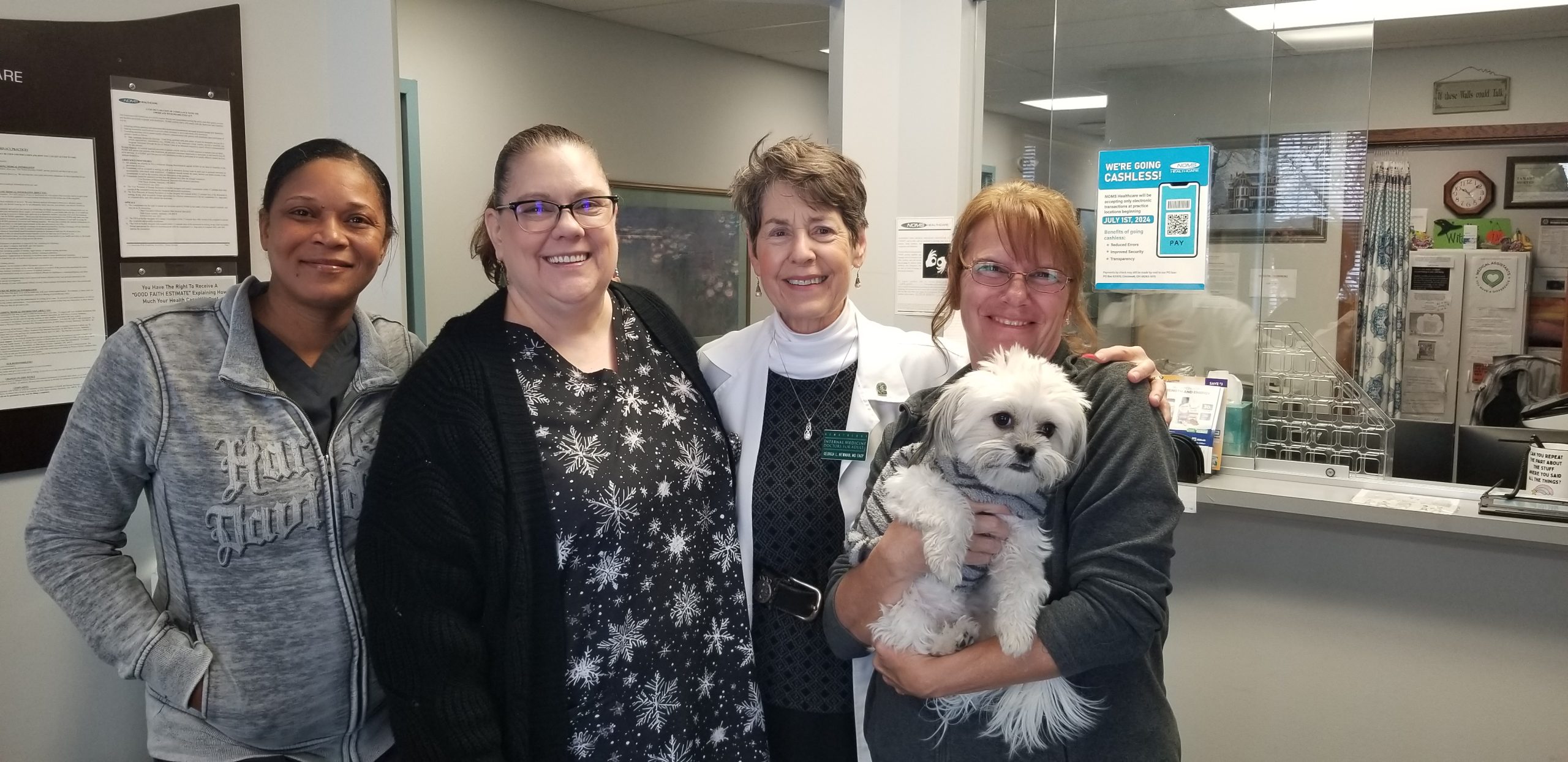
In celebration of 90 years of serving the profession, ABIM invited Dr. Newman to reflect on her long career in medicine and how the profession has changed.
Looking back to the beginning of your journey, what led you to a career in internal medicine and geriatrics?
It’s funny: during training, I actually thought I hated internal medicine. I loved surgery and did a rotating internship at Cambridge Hospital, where surgery felt exciting and hands-on. But at the time, surgery was brutal. There were no women in the field, the hours were extreme and the culture was unforgiving.
During my residency at Brigham and Women’s, we were on call every other night for months, working nearly nonstop. You’d come home, sleep briefly and go right back. On weekends, you went in on Saturday and didn’t come home until Monday night
I did a rotating internship at the Cambridge Hospital, which had just been taken over by Harvard Med. Back then, we wore whites: white shirt, white pants, white coat for men, and white skirt and coat for women. Women could wear colorful tops, thank goodness. No one wore scrubs unless you were scrubbed in for surgery, so girdle, stockings and heels were de rigueur. No one now even knows what a girdle is now—thank you, women’s lib.
I was one of the first female medical residents at Brigham, which led to some memorable situations. The on-call rooms and showers were designed entirely for men, and I vividly remember walking into a shower room and horrifying a male colleague who had no idea what to do.
Things have changed dramatically since then. When I was in medical school, women made up only about 13 percent of the class. At Dartmouth, where I spent my first two years, there were three women and 45 men. At Harvard, there were 13 women in a class of 150. Being one of so few women meant being treated as a token. You felt pressure to present yourself a certain way, even down to wearing heels during long hospital days, which took a physical toll. In addition, one needed a thick skin, since there were some off-color jokes, and some rounds that ended in the men’s bathroom.
As more women entered medicine, that tokenism and resentment slowly faded. But when I applied to medical school in 1966 at Vassar, people actually told me I was taking a man’s place.
My response now is simple: I’m still practicing at 80, while many of those men retired at 60.
When you reflect on your long career, what do you see as the most significant changes in medicine?
One major change is the rise of hospitalists. When I started practicing, I followed my patients into the hospital and took care of them there. That meant being on call, being in the ICU and having sleepless nights, but it also meant continuity of care. With the hospitalist model, care is more fragmented. Hospitalists are excellent at acute care but often lack the time or curiosity to look beyond the immediate problem. Chronic conditions are pushed back to primary care, which lacks resources.
As a primary care physician, I don’t have immediate access to imaging or labs. If someone is truly sick, the emergency room becomes the only practical option. Sure, I can order CT scans, blood work, echos, MRls, but it isn’t going to be timely. Instead of being in the hospital and getting it all done in a day or two, it can take several weeks to schedule as outpatient. The consequences can be devastating.
At the same time, primary care physicians are burning out and retiring, and fewer people are entering the field. Patients constantly ask me if I’m retiring because they can’t find another doctor.
What keeps you motivated to continue practicing?
At this stage, I’m not in it for the money. My children are grown, and I have enough to live on. I practice so I can support my staff and keep my office running. I’ve structured my practice to allow longer visits and reasonable hours. I no longer do Saturday hours, and I stop seeing patients early enough to get home at a reasonable time. Many of my patients I’ve cared for since the late 1980s. They’re not just patients—they’re people I know well.
Are there career moments you’re particularly proud of?
I’m proud of becoming a Fellow of the American College of Physicians (ACP). Early on, scholarship expectations were unrealistic for physicians practicing in small towns. Over time, ACP became more inclusive, recognizing service and commitment, not just academic output. I was a member of the “Underrepresented Groups” committee of ACP. It was great to come to Washington and think about ways to improve minority recruitment and care. Probably because of that and other ACP activities, I was finally promoted to fellowship in 1990.
Finally, what role do you think board certification plays today?
Board certification still matters. It’s often required to join organizations or hospitals and signals a basic level of competence. But medicine evolves so quickly that traditional exams can feel outdated. That’s why longitudinal assessment makes sense—it reflects how we actually practice and learn.
Every quarter, I answer 30 questions and it can be stressful, but I learn from it. There is a time limit to answer the questions and there is also opportunity for feedback, so I can critique the answer if I think another one is better. I do learn from right and wrong answers. I continue with it partly to reassure myself that I’m staying sharp as I get older.
I may grumble, but I do it because I love medicine and I love learning. I think of my patients as friends with medical problems, and that perspective has sustained me throughout my career.